From a slow leak behind the drywall to a full basement flood, Dallas property owners call Aqua Guard Water Damage because we show up with the right gear the first time — no guesswork, no upsells at the door.
Call +1-844-578-1604 Now
Aqua Guard Water Damage has spent years pulling water out of Dallas basements, crawl spaces, and commercial units, and that hands-on history shows in how fast our crews assess a loss. We know which Dallas neighborhoods sit on older clay pipe, which developments have a history of sump failures, and which zip codes flood first when storm drains back up.
We answer our own phones around the clock in Dallas, which means the person who books your appointment already knows our schedule, our crew availability, and how fast we can realistically get a truck to your address.
We also carry direct experience working alongside insurance adjusters, so the documentation we generate on day one is already formatted the way most carriers expect to see it.

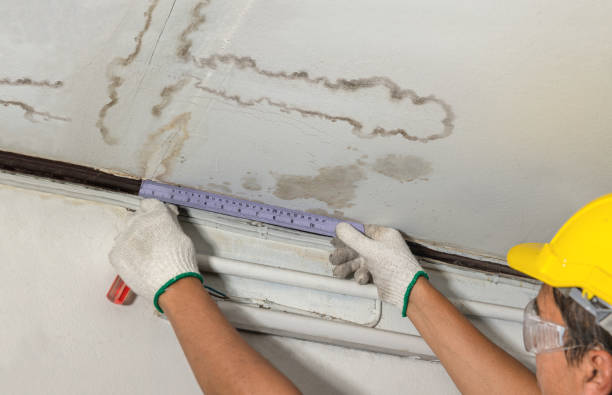
Yellow-brown rings on your ceiling or walls almost always mean water has been sitting behind the surface longer than you think, and the drywall paper backing is likely already feeding mold growth. Waiting to see if the stain spreads only gives moisture more time to travel further into the structure.
A persistent musty smell in a basement or bathroom usually means microbial growth has already started somewhere you can't see, often inside wall cavities or under flooring. Air fresheners will mask it temporarily but won't touch the actual source.
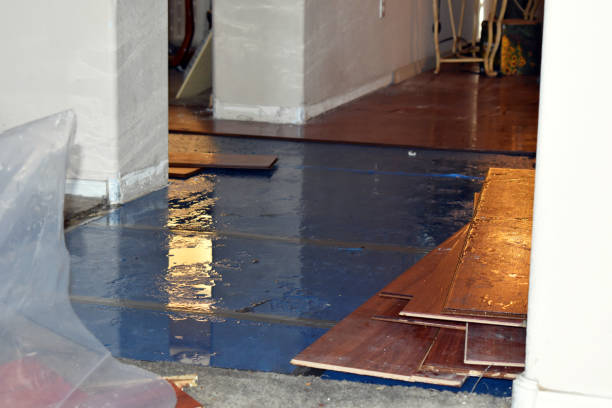
Hardwood that's cupping at the edges or laminate that's separating at the seams is a classic sign of moisture intrusion from below, whether that's a slab leak or groundwater seepage. The longer it sits, the harder the flooring is to salvage.
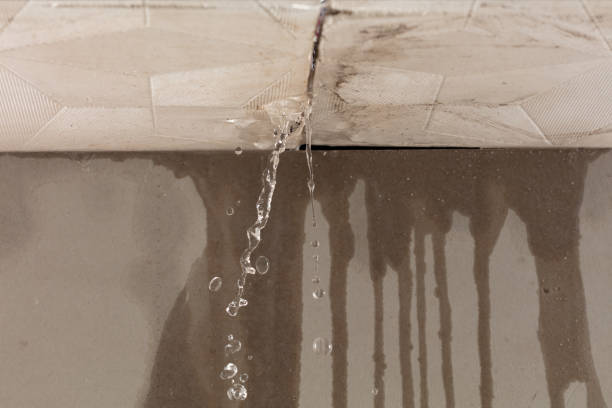
An unexplained jump in your water bill is frequently the first sign of a slab leak or a failing supply line long before any visible water appears. Catching it at this stage is far cheaper than waiting for a visible flood.
Paint that bubbles or peels away from a wall, especially near baseboards, usually means moisture is pushing through from behind rather than a simple application problem.
Any visible mold, even a small patch in a corner or along a baseboard, means conditions behind that surface have supported growth for a while and the moisture source needs to be found, not just the mold wiped away.
We treat Water Removal as one continuous job rather than a series of handoffs — the crew that extracts the water is accountable for the drying results, and the drying results determine what reconstruction is actually needed.
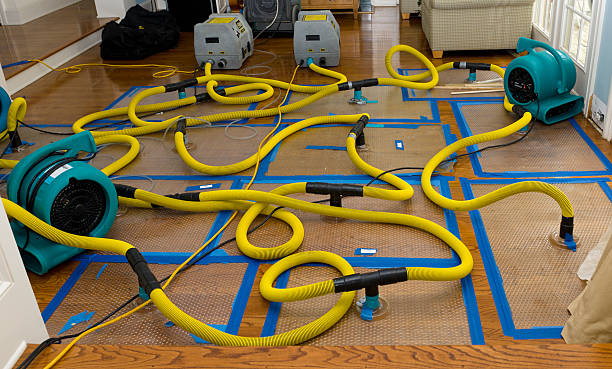
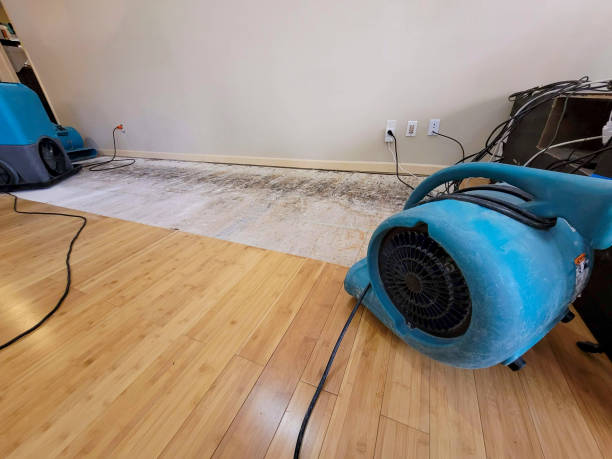
Our crews arrive with truck-mount extraction units capable of pulling thousands of gallons per hour, using moisture meters to classify the water as Category 1, 2, or 3 before drying even starts.
We place industrial air movers and low-grain-refrigerant dehumidifiers based on psychrometric readings, then log moisture levels daily until every affected material returns to a safe drying standard.
Blackwater jobs get treated with extra caution, since porous materials that touched contaminated water almost always need to be removed rather than dried in place.
If mold has already taken hold, our containment and remediation process isolates the affected zone with negative air pressure before any demolition begins, keeping spores from spreading to unaffected rooms.
The same team that documented the damage and dried the structure hands off directly to reconstruction, which keeps the whole timeline shorter and the paperwork simpler.
We inventory and pack out contents that need to leave the affected area during drying, then coordinate their return once the space is verified dry and repairs are complete.


You call +1-844-578-1604 and speak with a live dispatcher, not a voicemail system — we ask a few quick questions about the source and severity so the crew arrives prepared.
The assessment sets the entire plan — skipping it or rushing it is how jobs end up with hidden moisture pockets months later.
We set drying equipment based on the specific moisture readings taken during assessment, not a generic placement pattern.
Final verification is where a lot of shortcuts get taken industry-wide — we treat it as mandatory, not optional.
Every technician carries IICRC certification and our crews are fully insured for your protection on every job.
Local staging means shorter drive times, which matters most in the first hour after a water loss.
You get a written estimate before work begins, not a surprise invoice after the drying equipment is already running.
A guarantee only means something if it's backed by a second set of moisture readings, not just a handshake at the end of the visit.
Every job closes with documented moisture verification, because a guarantee that isn't backed by data isn't much of a guarantee.
That same standard applies whether it's a single flooded bathroom or a full commercial loss — the sign-off criteria don't change based on job size.
Call +1-844-578-1604Whether your address falls in 75287 75098 75234 75254 75251 75252 75253 75032 75238 75232 75233 75230 75231 75236 75237 75235 75089 75088 75087 75247 75244 75249 75248 75051 75223 75210 75211 75212 75214 75215 75216 75217 75218 75219 75390 75182 75229 75228 75220 75225 75224 75227 75226 75243 75241 75240 75246 75043 75166 75270 75207 75206 75205 75204 75203 75202 75201 75209 75208 75019 75221 75222 75242 75250 75260 75262 75263 75264 75266 75267 75277 75283 75284 75285 75301 75303 75312 75313 75315 75320 75336 75339 75342 75354 75355 75356 75357 75358 75359 75360 75367 75370 75371 75372 75373 75374 75376 75378 75379 75380 75382 75389 75392 75393 75394 75395 75397 75398 75261 or one of the neighboring zip codes we cover, the same crew and the same response standard applies.
We track call volume by zip code across Dallas to keep crew staffing matched to where emergencies actually happen most often.

"A pipe burst behind our water heater and the crew here in Dallas had extraction units running within 40 minutes of my call. They walked me through the moisture readings every day until it was fully dry."
James R., Dallas"What impressed me most was the daily moisture log — I could actually see the numbers improving instead of just being told to trust the process."
Denise M., Dallas"They didn't cut corners on the contaminated water cleanup even though it would have been faster to skip the sanitization step — that mattered to me given we have young kids in the house."
Marcus T., Dallas"The reconstruction crew matched our original flooring almost perfectly after the water damage repair — you'd never know there was a leak."
Priya S., Dallas"The thermal imaging inspection found damage behind a cabinet we never would have thought to check, which probably saved us from a much bigger mold problem down the road."
Carlos V., Dallas"Our commercial unit flooded overnight and they had industrial equipment running before our staff arrived for the morning shift."
Angela F., Dallas"The tech explained exactly which boards needed to come out and which ones tested dry enough to keep, so we didn't pay to replace more than necessary."
Tyrone B., Dallas"Storm runoff got into our crawl space and the smell alone told us something was wrong. The crew found the vapor barrier had failed and fixed the actual cause, not just the symptom."
Wendy K., Dallas